Prestige Lending Above 2 Million Newcastle, NSW, The Broker's Guide

When the property you want sits above $2 million, the lending conversation changes. The assessment process becomes more manual, the deposit expectations rise, and the number of lenders who will look at the file shrinks considerably. Whether you're upgrading to a prestige home in Merewether, acquiring a landmark property on The Hill, or building a portfolio that has moved past the standard loan thresholds, the mechanics at this end of the market are genuinely different from a standard home loan.
Newcastle's prestige market is concentrated in a small number of suburbs. Merewether and The Hill carry the highest house medians in the city, both sitting above $2,100,000, which means a buyer at that level is working with lenders who assess these applications individually rather than through automated systems. That manual process rewards preparation.
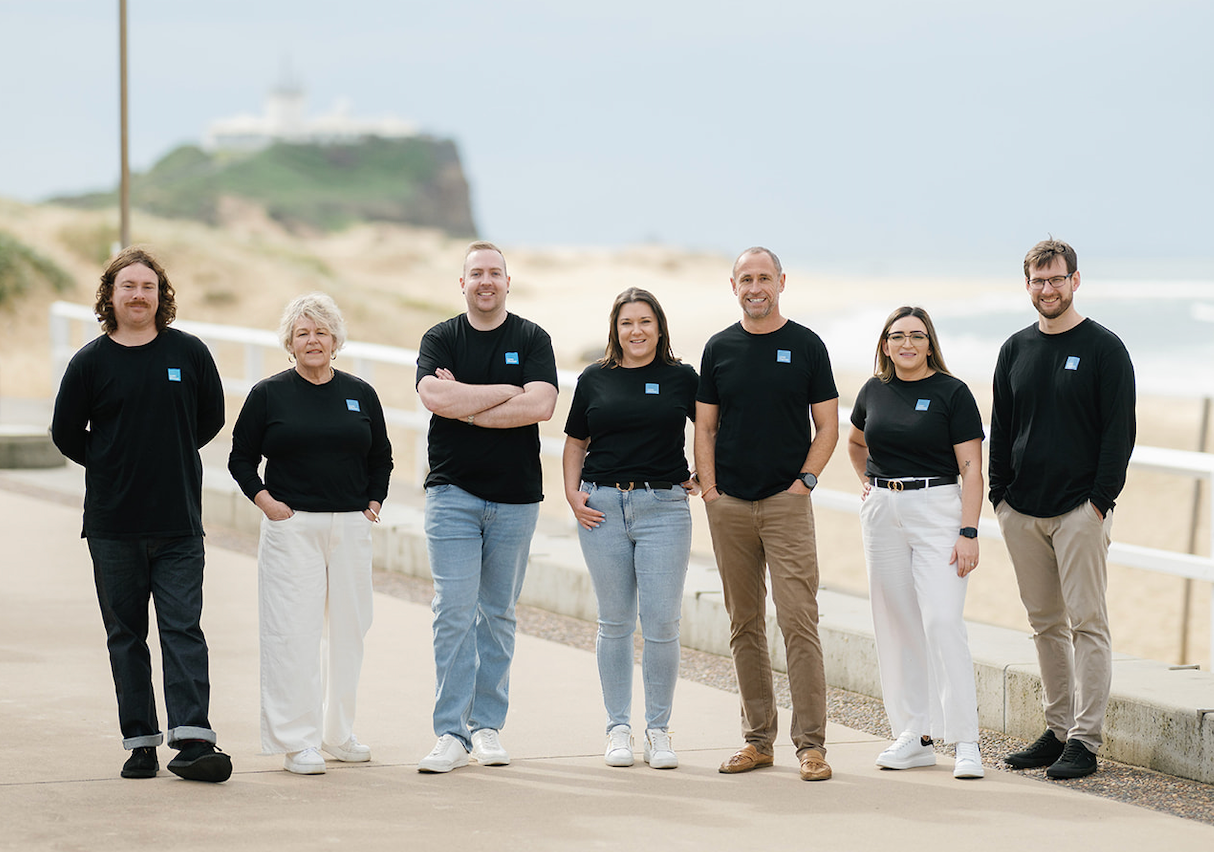
The Mortgage Brokers Newcastle team works with prestige buyers across Newcastle, NSW, comparing loan structures across 60+ lenders, including the specialist and private-banking lenders who handle high-value files that most standard panels don't reach.
Key takeaways
- Above $2 million, lenders typically require a 20-30% deposit or more.
- LMI is rarely available at this price point; larger deposits are standard.
- Merewether and The Hill lead Newcastle's prestige market above $2.1 million.
Can you borrow above $2 million in Newcastle, NSW?
Yes, you can borrow above $2 million in Newcastle, NSW, but the assessment looks meaningfully different from a standard application. Lenders move to manual credit review at this level, income composition and asset position carry more weight, and the deposit requirement rises. CoreLogic data shows Merewether with a median house price of $2,137,500 and The Hill at $2,135,000, placing a straightforward purchase in either suburb squarely in prestige territory for most lenders.
How do lenders assess a prestige loan application above $2 million?
The automated serviceability calculators that handle most residential lending are largely bypassed above $2 million. A credit assessor looks at the full financial picture manually, and the weight given to each element shifts.
Income composition matters more than gross income alone. A high salary from a single employer is the cleanest profile, but many buyers at this end of the market earn through a mix of salary, dividends, trust distributions and business income. Lenders differ significantly in how they treat each of those streams, and a file that one lender treats as straightforward can be complex at another.
Asset position sits alongside income in a way it doesn't at lower loan sizes. Lenders want to see the equity position, existing property, and liquid assets, because the loan sits at a level where serviceability can stretch even a strong income. The APRA debt-to-income cap, which limits how much new lending banks can write above six times gross income, also applies here, and at large loan sizes the DTI arithmetic tightens quickly.
Source: APRA.
What deposit do you need for prestige lending in Newcastle?
LMI is rarely available above $2 million, which means the deposit carries the full weight of keeping the LVR at a level lenders are comfortable with. Most mainstream lenders want at least 20% at this price point, and many want more as the loan size rises.
The deposit picture by loan size:
- › 20% deposit ($400,000+ on a $2m property): the minimum for most mainstream lenders · no LMI available at this level · equity and income still assessed manually
- › 25-30% deposit: opens a wider panel of lenders · a stronger application position · private banking and specialist lenders more accessible
- › Equity from existing property: cross-collateralisation is one route · complicates future sales and refinances · standalone security is usually the cleaner structure
Where equity from an existing property is funding part of the deposit, how the lender structures that security matters. Cross-collateralising two properties gives one lender a charge over both, which limits your options when you want to sell one or refinance the other.
The buyers we see at this end of the market often have a strong asset position and a complex income mix. What slows them down isn't eligibility - it's applying to the wrong lender first, because a decline at this loan size sits on the credit file and narrows the next conversation.
Heath Williams · Director, Mortgage Brokers Newcastle · Chat to Heath →
Which Newcastle suburbs sit above the $2 million mark?
Newcastle's prestige market is geographically tight. CoreLogic data shows two suburbs with house medians comfortably above $2,100,000, and both are relevant to any buyer considering a loan at this level.
Newcastle's prestige suburbs by median (houses):
- › Merewether: median house price $2,137,500, 12-month growth of -2.84%. Ocean-side position, significant established homes and premium knockdown-rebuild stock.
- › The Hill: median house price $2,135,000, 12-month growth of +6.48% (note: 18 sales, thin sample). Heritage and character homes adjacent to King Edward Park and the CBD.
- › Cooks Hill and New Lambton: median houses at $1,800,000 and $1,297,500 respectively. Both sit below the $2 million mark at median but carry individual properties well above it, particularly character homes and fully renovated large-format houses.
Source: CoreLogic (via YIP, mid-2026).
| Get in touch Need help with prestige lending above $2 million? We're a local team who understand how lenders actually assess your situation, not just your rate. We'll compare your options across 60+ lenders to find the right fit.
|
How does lender choice change the outcome at this loan size?
The lender choice decides more at this level than at any other, because the assessment is manual and policy differences between lenders are wide. Three decisions move the outcome for prestige buyers, and they're not published side by side anywhere.
- › Income composition: some lenders count trust distributions and dividend income over two years; others require two consecutive years of the same structure before including any of it. A buyer whose income shifted in the last year can find that one lender accepts it fully and another excludes it entirely.
- › Security per property: lenders cap their exposure per individual property at the prestige end, and that cap differs materially between mainstream and specialist lenders. A property valuing at $2.8 million may fall within one lender's per-security limit and exceed another's.
- › Structure for portfolio buyers: where the buyer already holds property, whether the lender requires cross-collateralisation or accepts standalone security is a structural decision that matters beyond settlement. Some lenders insist on cross-collateralisation at this loan size; specialist and private-banking lenders often don't.
Whether any of these options are available depends on which lenders your broker has access to and on your full financial position, which is worth a conversation before you approach anyone.
When does prestige lending not make sense at this price point?
There are situations where a prestige purchase above $2 million isn't the right move at the time of application, even where the income is strong.
If the deposit has been assembled primarily through equity in a property that is also being used as security for another loan, the combined LVR position can leave little room to move. A lender who looks at the full security picture may see a higher effective LVR than the buyer expects, and the approval comes back with tighter conditions or a lower limit than planned.
If a significant business or investment debt sits alongside the proposed loan, the DTI arithmetic can push the file above the threshold where banks are most comfortable writing new lending. Non-bank and private lenders can sometimes sit outside that constraint, but at a rate premium. For a buyer who is twelve to eighteen months from a cleaner position, waiting can produce a materially better loan structure.
Where the numbers are close, I'd rather a buyer wait a reporting period and apply from a cleaner position than push through now and accept conditions they'll spend the next three years trying to refinance away from. The urgency is usually the property, not the loan, and those are separate conversations.
Heath Williams · Director, Mortgage Brokers Newcastle · Chat to Heath →
How to approach prestige lending in Newcastle, NSW, step by step
Step 1: Talk to us
We start by mapping your income structure, your asset position, and the property you're targeting against the lenders on our panel who actually deal with files at this level.
Step 2: Assess your position and prepare the file
We work through the income composition, existing debts, and security structure to identify which lenders are worth approaching and how the application is best presented before anything goes on paper.
Step 3: Match to the right lender and submit
We submit to the lender whose policy best fits your file, including private banking and specialist lenders where relevant, with a complete supporting package that anticipates the questions a manual assessor will ask.
Step 4: Manage approval through to settlement
We stay across the valuation, any conditions raised during assessment, and the settlement timeline, so the process moves cleanly without you having to chase it.
What approval challenges apply to prestige lending above $2 million?
Where prestige applications meet friction:
- › Valuation shortfall: at this price point, lender valuations can come in below the contract price. The buyer covers the difference in cash, which can move the effective deposit requirement significantly. Having a buffer above the stated deposit is important.
- › DTI pressure: the APRA cap on high debt-to-income lending limits how much banks can write above six times gross income. At large loan sizes, even a strong income can push a file into territory where the bank's own quota constrains them, regardless of the buyer's actual creditworthiness.
- › Per-security exposure limits: some mainstream lenders won't write a single loan above a certain property value, and that threshold varies by lender. A buyer who approaches the wrong lender first discovers this only after the assessment, which delays the process and adds a credit enquiry.
- › Complex income requiring extended evidence: trust distributions, director fees, and investment income typically need two full financial years of returns before most lenders include them. A buyer whose income composition shifted recently will need to demonstrate the structure is established, not transitional.
Frequently Asked Questions
Can I borrow above $2 million with a 20% deposit in Newcastle?
Yes, 20% is the entry point for most mainstream lenders at this price level, though some require more as the loan size increases. LMI is generally not available above $2 million, so the deposit carries the full weight of the LVR position.
Do government first home buyer schemes apply to prestige properties above $2 million?
No. The First Home Guarantee and Family Home Guarantee both carry price caps of $1,500,000 for Newcastle buyers, so properties above that threshold don't qualify. The FHOG is also limited to new homes under $600,000.
Can I use equity from another property as my deposit for a prestige purchase?
Yes, usable equity from an existing property can fund part of the deposit. How the lender structures the security matters, though: cross-collateralisation creates complications at future sale or refinance, and a standalone security structure is usually preferable where the equity position allows it.
Will lenders assess prestige applications differently if my income includes trust distributions?
Yes, and significantly so. Most lenders require two full years of established distributions before including them, and some exclude trust income entirely. Lender selection is where this gets resolved, not application presentation.
Is the APRA debt-to-income cap a problem for high-income buyers seeking large loans?
It can be. The cap limits how much new lending banks can write above six times gross income, and at loan sizes above $2 million even a strong income can push a file into that range. Non-bank lenders are not subject to the same cap and can sometimes provide a workable alternative.
Should I use a mortgage broker or a private bank directly for prestige lending?
A mortgage broker, every time. A private bank offers one set of terms; a broker compares across specialist, private-banking and mainstream lenders simultaneously. The right lender for a prestige file is rarely obvious before the file has been properly assessed across the panel.
Your Next Steps
Prestige lending above $2 million in Newcastle, NSW rewards preparation and the right lender match. The income composition, the security structure, and the deposit position all interact in ways that vary between lenders, and knowing which panel members are worth approaching before anything is submitted is how the process runs cleanly.
If a prestige purchase is on your horizon, the next step is simple. Get in touch with the Mortgage Brokers Newcastle team or call (02) 4920 6468. We'll work through where you stand across our 60+ lender panel.
|

External Resources
Mortgage Brokers Newcastle, Hamilton and Newcastle, NSW. This is general information only - this article does not constitute financial advice. Please consider your own circumstances and seek professional advice before making any financial decisions.