SMSF Loans For Commercial Property Newcastle, NSW: The Broker's Guide

If your SMSF is looking to buy commercial property, you're in a different lending category from the moment you start. Commercial LRBAs operate under the same superannuation law as residential ones, but the lender panel is narrower, the deposit requirements are higher, and the assessment sits across both the property's income and the fund's financial position.
The good news for Newcastle-based business owners and SMSF trustees is that commercial property through a fund remains fully available. The residential borrowing ban that took effect in August 2026 does not touch business real property at all. Whether you're looking at an office suite in the Honeysuckle precinct, a workshop near the Port of Newcastle, or a retail tenancy in a suburban strip, an SMSF can still borrow to buy it, provided the structure is right.
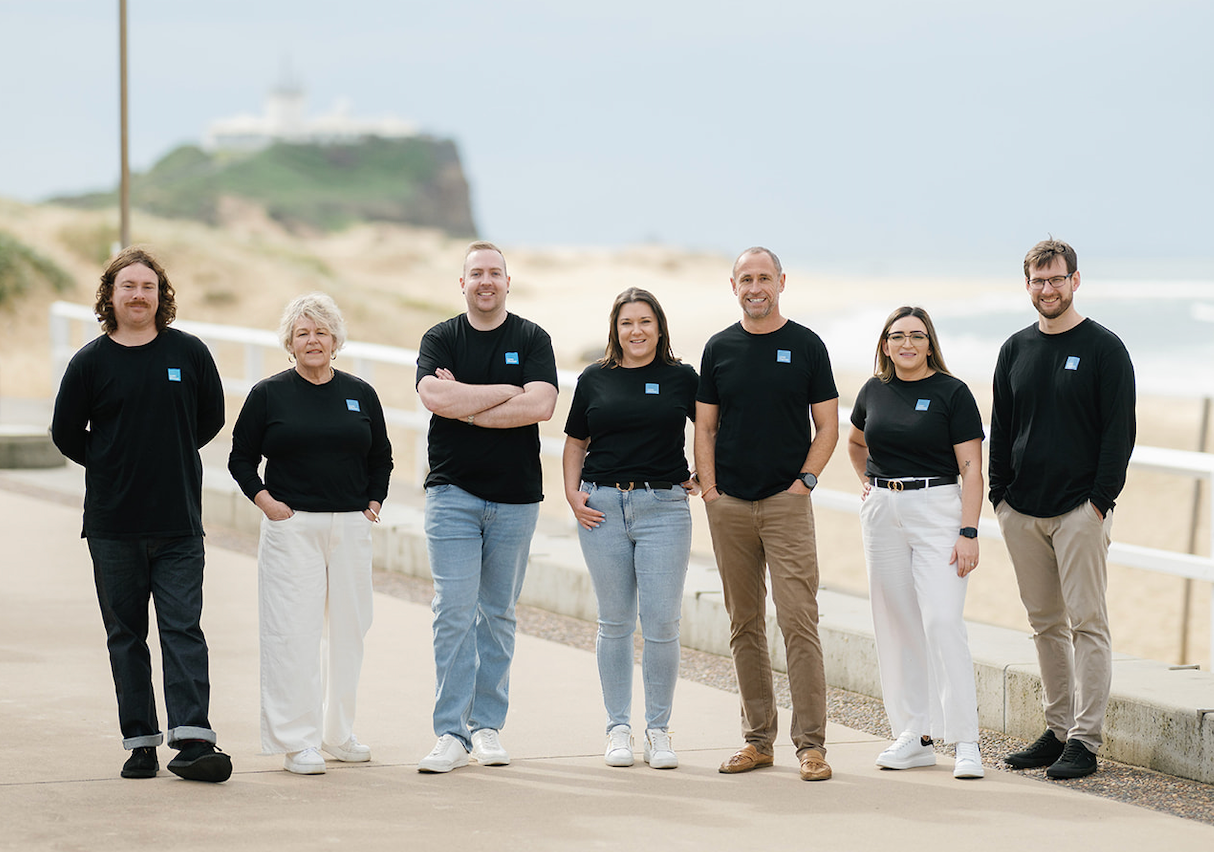
Our team helps SMSF trustees across Newcastle, NSW work through the lending side of these transactions, comparing across 60+ lenders. The SMSF lending structure you use matters enormously here, and getting it wrong costs more than the rate.
Key takeaways
- SMSF commercial LRBAs are unaffected by the 2026 residential borrowing ban.
- LVRs run 60–70%, with fund balances typically needing to exceed $200,000.
- The property can be leased to your own business at arm's length market rent.
Can an SMSF borrow to buy commercial property in Newcastle, NSW?
Yes, an SMSF can borrow to buy commercial property using a Limited Recourse Borrowing Arrangement, and that pathway remains fully open under current law. The August 2026 legislation that banned new residential LRBAs explicitly preserved business real property, so commercial purchases, including retail, office, industrial and warehouse assets, are unaffected. CoreLogic data shows Newcastle's commercial precincts ranging from established CBD and Honeysuckle office stock through to industrial holdings near the Port of Newcastle foreshore, giving trustees a genuine range of asset types to consider.
How does an SMSF commercial LRBA actually work?
Under a Limited Recourse Borrowing Arrangement, the SMSF borrows to acquire a single asset. The property is held in a separate bare trust during the loan term, with the SMSF as the beneficial owner. Once the loan is repaid, legal title transfers to the fund. The lender's recourse is limited to the asset itself, meaning the broader fund assets are quarantined from a default event.
The commercial variant works on the same legal skeleton, but the credit assessment is different. Lenders look at the property's income, specifically the lease quality and the weighted average lease expiry, alongside the fund's financial position. A strong, long-term commercial tenant with a formal lease at market rent is the single biggest driver of credit appetite from a specialist lender.
One feature that makes commercial LRBAs genuinely useful for business owners is the related-party lease. Your SMSF can purchase the premises your business occupies and lease them back to your business, provided the rent is set at arm's length market rate and documented formally. That is not permitted with residential property, which makes commercial SMSF lending a structurally different proposition.
What I see consistently is trustees who understand the super rules clearly but haven't worked through how the lender actually assesses the fund. The lease quality, the fund's liquidity after settlement, and the commercial purpose of the property all get scrutinised in a way that standard property lending doesn't prepare you for.
Heath Williams · Director, Mortgage Brokers Newcastle · Chat to Heath →
What does an SMSF need to qualify for a commercial property loan?
Specialist lenders have distinct eligibility requirements for commercial LRBAs that differ materially from residential lending. Most look for the following before they'll seriously consider the application:
What lenders typically verify:
- › Fund balance: most lenders want to see a minimum of $200,000 to $300,000 in the fund before they'll look at a commercial LRBA, with post-settlement liquidity of roughly 10% of the loan balance retained.
- › SMSF trust deed: the deed must expressly permit borrowing. An older or standard deed often doesn't, and updating it before application is required.
- › Lease documentation: a formal lease at documented market rent, with remaining term and extension options. For related-party leases, an independent rental assessment is normally required.
- › Investment strategy: the fund's investment strategy must explicitly contemplate borrowing to acquire the property type. Lenders check this, and it's a common oversight.
- › ATO compliance: the fund must be compliant, and lenders will request recent financial statements and tax returns, typically the last two years.
What does it cost to borrow inside an SMSF for commercial property?
The deposit and cost structure for a commercial LRBA is meaningfully different from residential. Typical LVRs run from 60% to 70%, meaning your fund needs to contribute 30% to 40% of the purchase price plus acquisition costs before borrowing begins. For a commercial property in Newcastle's inner fringe or industrial precincts, that's a substantial cash requirement from the fund.
Rates on SMSF commercial loans carry a premium above standard investment lending, typically in the range of roughly 1% to 2% higher, reflecting the specialist panel and the more manual credit assessment involved. Lenders also assess rental income at around 70% to 80% of gross, which affects how much they'll lend against a given rent roll.
The cost components worth modelling before you apply:
- › Deposit: 30%–40% of the purchase price, sourced from within the fund.
- › Bare trust setup: a legal structure established specifically for the LRBA, typically set up by the fund's solicitor before settlement.
- › Transfer duty: payable at standard commercial rates in NSW; no first-home duty concession applies inside a super fund.
- › Liquidity buffer: most lenders require around 10% of the loan balance to remain in the fund post-settlement, covering ongoing costs and contributions.
Source: APRA; Australian Taxation Office.
| Get in touch Need help with SMSF commercial lending? We're a local team who understand how lenders actually assess your situation, not just your rate. We'll compare your options across 60+ lenders to find the right fit.
|
How long does it take to settle an SMSF commercial property loan in Newcastle, NSW?
SMSF commercial LRBAs take longer to settle than standard investment loans, and the timeline is worth planning around carefully. Most applications run eight to twelve weeks from initial enquiry to formal approval, though more complex fund structures or properties with unusual lease arrangements can extend that.
The bare trust deed must be established before the lender can formally progress the application, and the fund's legal and accounting professionals typically need to review the investment strategy and minutes before documents are signed. If your fund's trust deed needs updating to permit borrowing, that adds another few weeks at the front end.
Cooling-off on commercial property contracts in NSW operates on the same five-business-day window as residential, but most commercial contracts are negotiated without it, particularly where the property has multiple competing buyers. Getting your fund's pre-assessment done before you're under contract removes significant timing pressure.
When does buying commercial property inside an SMSF not make sense?
The related-party lease is genuinely attractive, but tying a business's premises inside a super fund adds complexity that doesn't suit every situation. If the business is in its early years or its tenure in the property is uncertain, locking the asset inside a retirement structure creates a mismatch between the fund's long-term horizon and the business's short-term flexibility needs.
For trustees who are still building their fund balance, the 30% to 40% deposit requirement can also pull a large proportion of the fund into a single illiquid asset. Most SMSF advisers would want to see a fund well above the lender's minimum before concentrating that much capital in one commercial property, regardless of how attractive the property looks. For most trustees whose fund balance sits below $400,000, the liquidity position after settlement warrants a careful conversation with the fund's accountant first.
How to buy commercial property in an SMSF in Newcastle, NSW, step by step
Step 1: Talk to us
We start by working out whether your fund's current position, balance and investment strategy make a commercial LRBA realistic, and which lenders on our panel are worth approaching for it.
Step 2: Prepare the fund's documentation
Your SMSF accountant updates the investment strategy and trust deed if needed, and your solicitor prepares the bare trust deed. We coordinate the lending requirements alongside that legal work so nothing is duplicated.
Step 3: Submit the application and manage the credit assessment
We package the fund's financials, the property details and the lease documentation and submit to the most suitable lender, managing any questions the credit team raises about the fund's position or the property's income.
Step 4: Progress through approval to settlement
Once formal approval issues, we coordinate with your solicitor and the vendor's side to ensure the bare trust is in place and all conditions are cleared before settlement day.
Where I'd focus first is the fund's liquidity position after the deposit and costs go in. A fund that's technically eligible on the lender's minimum balance test but sitting thin on post-settlement cash is going to face ongoing pressure to make contributions and cover costs simultaneously. In most cases I'd recommend waiting until the fund is comfortably above the threshold rather than pushing an application through early.
Heath Williams · Director, Mortgage Brokers Newcastle · Chat to Heath →
What goes wrong when trustees try to set up an SMSF commercial property loan?
Where applications lose ground:
- › Outdated trust deed: a deed that doesn't explicitly permit borrowing stops the application before it starts. This is the most common avoidable delay and it needs to be checked before a property is identified, not after contracts are exchanged.
- › Lease not at market rent: related-party leases set below independent market assessment fail the sole purpose test and give lenders grounds to decline. An independent rental appraisal before signing the lease is essential, not optional.
- › Approaching the wrong lender: the major banks largely exited SMSF lending between 2018 and 2019. Applying to a lender that no longer writes these loans produces a decline on the credit file with no useful outcome. The panel for commercial LRBAs is specialist and second-tier, and knowing which lenders are actively writing them matters.
- › Sole purpose test confusion: the property must be held for the sole purpose of providing retirement benefits. Using it for any personal benefit, even briefly, is a compliance breach. This is superannuation territory and needs to be managed with the fund's accountant, not just the broker.
Frequently Asked Questions
Does the 2026 SMSF residential borrowing ban affect commercial property LRBAs?
No. The Treasury Laws Amendment (Tax Reform No. 1) Act 2026 banned new LRBAs to acquire residential property from 10 August 2026. Business real property, including commercial, retail, industrial and office assets, is explicitly unaffected and remains available to SMSF trustees.
Can my SMSF buy the premises my business operates from?
Yes, provided the rent is set at independently verified market rate and documented under a formal lease. Related-party leases at arm's length market rent are permitted for business real property, which is one of the key structural advantages of this strategy.
What LVR can an SMSF get on a commercial property loan?
Typical LVRs run from 60% to 70% for commercial LRBAs, meaning the fund contributes 30% to 40% as a deposit. The exact LVR depends on the property type, the lender and the lease quality.
Does my SMSF need a minimum balance before lenders will consider it?
Most specialist lenders want to see a minimum fund balance of $200,000 to $300,000, plus a post-settlement liquidity buffer of around 10% of the loan. Funds sitting below $400,000 all-up may find the post-settlement cash position very tight.
Can an SMSF still refinance an existing commercial LRBA?
Yes. Refinancing an existing commercial LRBA is fully permitted under the current rules, including switching to a different lender. This applies to residential LRBAs grandfathered before August 2026 as well.
Should I use a mortgage broker or go direct to a lender for an SMSF commercial loan?
A mortgage broker, every time. The major banks exited SMSF lending in 2018 and 2019, so the active panel is specialist and second-tier lenders. A broker who works with these lenders regularly knows which ones are actively writing commercial LRBAs and what each requires, which saves both time and a credit file hit from a misplaced application.
Your Next Steps
SMSF commercial property lending is one of the more technical loan categories available in Newcastle, NSW. The lending side, the fund compliance side and the tax side all need to align before settlement, and a misstep in any one of them can be expensive to unwind. Getting those three workstreams moving together from the start is what separates a clean settlement from a protracted one.
If buying commercial property inside your SMSF is on the horizon, the next step is simple. Get in touch with the Mortgage Brokers Newcastle team or call (02) 4920 6468. We'll work through where your fund stands across our 60+ lender panel and connect the lending piece with your accountant and solicitor so nothing is left to chance.
|

External Resources
Mortgage Brokers Newcastle, Hamilton and Newcastle, NSW. This is general information only - this article does not constitute financial advice. Please consider your own circumstances and seek professional advice before making any financial decisions.